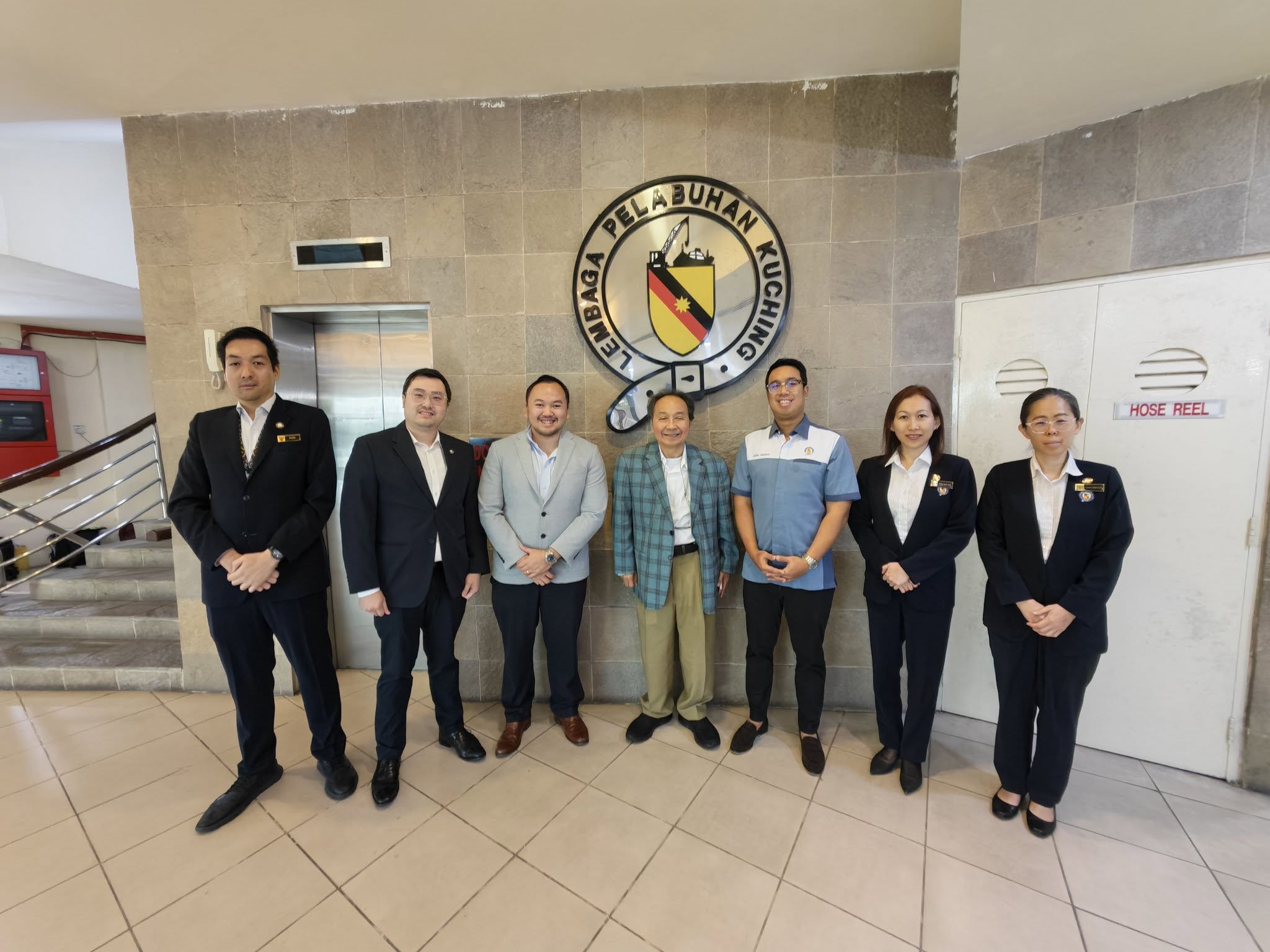
Ports play a direct role in how businesses move goods, manage supply chains, and connect regional economies. In Sarawak, where geography, logistics, public administration, and commercial activity are closely linked, a port authority is more than an operational body. It is part of the infrastructure that supports manufacturers, exporters, importers, shipping agents, contractors, government stakeholders, and the wider business community.
This case study matters because organisations in regulated, technical, or public-facing sectors often face a different marketing challenge from typical consumer brands. Their audience is not looking for entertainment or broad awareness alone. They need clarity, trust, accurate information, and confidence that the organisation understands its responsibilities. For a port-related account, the communication task is especially important because the subject involves operations, compliance, service reliability, stakeholder coordination, and long-term public value.
For Malaysian business owners and marketing teams, the practical lesson is that strong digital communication is not only about promotion. It is about making complex organisations easier to understand. When a business or public body has multiple audiences, its messaging must help each group quickly find what matters to them. A shipping company may be looking for service information. A vendor may need procedural guidance. A member of the public may want to understand the organisation's role. A government or industry stakeholder may be assessing credibility and alignment.
The account also highlights a common issue for established organisations: reputation may already exist offline, but the digital experience must still support it. If online content is unclear, outdated, difficult to navigate, or too internally focused, it can create friction for users who simply need reliable information. Good digital strategy brings structure to that information and presents it in a way that supports both business goals and user needs.
A practical reader should take three ideas from this section. First, sector knowledge matters; content for infrastructure and logistics-related organisations must be accurate and grounded. Second, trust is built through clarity, not exaggeration. Third, digital assets should reflect how real stakeholders search, read, compare, and make decisions.
This case study therefore provides a useful lens for any Malaysian organisation operating in a specialised or high-responsibility sector. Whether the audience is commercial, governmental, or public, the core challenge remains the same: communicate clearly, support decision-making, and ensure the organisation's online presence reflects the seriousness of its role.
The Commercial Challenge
For a public-facing organisation such as Kuching Port Authority, the commercial challenge is not simply to "be online". It is to communicate clearly with multiple audiences who may each need different information, at different levels of urgency, while still maintaining a consistent and credible brand presence.
Building Visibility Without Losing Professionalism
Ports operate in a highly practical environment where trust, reliability, and operational confidence matter. Digital visibility must therefore be handled carefully. The objective is not to chase attention for its own sake, but to make sure the right stakeholders can quickly understand the organisation's role, relevance, and updates.
For Malaysian organisations in infrastructure, logistics, trade, and government-linked sectors, this often means balancing formal communication with accessible messaging. Content needs to be clear enough for the public, useful enough for business audiences, and appropriate for institutional stakeholders.
Strengthening Trust Across Stakeholder Groups
A port authority may need to communicate with shipping-related businesses, logistics partners, regulatory stakeholders, internal teams, media, and the wider community. Each group may judge trust differently. Some look for timely updates. Others want evidence of professionalism, consistency, and accountability.
The challenge is that fragmented communication can weaken confidence. If messaging differs across platforms, or if updates are slow, unclear, or too technical, audiences may not engage effectively. A more structured content approach helps ensure that important information is presented in a way that is easy to follow and aligned with the organisation's broader positioning.
Improving Speed and Campaign Clarity
In sectors where timing matters, communication processes need to move efficiently. Marketing and communications teams may face pressure to prepare announcements, campaign assets, stakeholder updates, and social content within short timelines. Without a clear workflow, this can lead to delays, inconsistent approvals, or content that does not fully support the campaign objective.
This is where strategic planning becomes important. Before creating content, teams need clarity on the message, audience, tone, approval flow, and intended outcome. A capable social media agency can support this by turning complex organisational priorities into structured digital communication that is easier to manage and measure.
Aligning Internal Priorities With Public Messaging
One of the biggest challenges for institutional brands is alignment. Different departments may have different priorities, but the public sees only one organisation. Clear campaign direction helps reduce confusion, improve consistency, and support more confident decision-making.
For business owners and marketing teams, the lesson is straightforward: effective communication depends on more than design or posting frequency. It requires clarity, trust-building, speed, and internal alignment before the message reaches the market.
What Needed To Be Systemised
For a port-linked organisation, communications cannot depend on ad hoc posting or one-off campaign ideas. The work needed to be organised into a repeatable system that could support clarity, approvals, timing, and stakeholder confidence. In the case of kuching port authority, the priority was to create a more structured way to manage messages across different audiences, operational contexts, and communication channels.
Audit Before Activity
The first requirement was to understand the existing communication landscape. This meant reviewing available materials, public-facing content, channel activity, message consistency, and the way information was being presented to stakeholders.
The audit was not only about identifying gaps. It also helped separate what should be retained, what needed refinement, and what required a clearer purpose. For Malaysian organisations with operational responsibilities, this step is important because content must be accurate, timely, and aligned with the organisation's role.
Message Architecture
Once the audit established the baseline, the next layer was message architecture. This involved organising core messages into clear categories so that communication did not sound fragmented across different platforms.
A practical message framework would usually cover areas such as organisational role, operational updates, stakeholder assurance, service information, public notices, development narratives, and leadership communication. With this structure in place, teams can produce content with greater consistency instead of rewriting the brand story from scratch each time.
Content Planning
The content plan needed to translate strategy into usable output. This includes deciding what should be published, why it matters, who it is for, and when it should go live.
For business owners and marketing teams, this is where many communication efforts succeed or fail. A content calendar should not be treated as a list of social media captions. It should reflect business priorities, stakeholder needs, seasonal considerations, and approval timelines. The plan also needs enough flexibility to respond to operational developments without disrupting the overall direction.
Channel Operations
Different channels serve different functions. Website content may need to be more formal and referenceable, while social channels may require simpler summaries, visual formats, and faster turnaround. Internal or stakeholder-facing materials may need another layer of precision.
Systemising channel operations means defining responsibilities, content formats, review steps, escalation points, and publishing standards. This reduces confusion and helps teams maintain professionalism even when timelines are tight.
Decision Reporting
The final part of the system was reporting for better decisions. Reporting should not simply list activity. It should show what was published, what purpose it served, what response it generated, and what should be improved next.
This creates a measurement loop that supports continuous refinement rather than reactive communication.
Strategy Behind The Execution
For a public-facing organisation such as **kuching port authority**, execution is not only about producing better visuals or posting more frequently. The work has to support credibility, clarity, and stakeholder confidence. This is where social media agency thinking and digital marketing discipline become useful: they turn communication into a structured operating system rather than a series of disconnected updates.
Building Communication Around Stakeholder Needs
A port-related organisation communicates with different groups at the same time, including business operators, government stakeholders, logistics partners, employees, and the wider community. Each group may need different information, but the tone must remain consistent and professional.
The strategy behind the execution would therefore begin with identifying what each audience needs to understand. For example, corporate stakeholders may look for reliability and governance, while the public may need simple explanations of announcements, initiatives, or operational updates. This helps prevent communication from becoming too technical on one platform and too generic on another.
A practical content plan should separate messages by purpose: awareness, education, reputation-building, recruitment, public information, and stakeholder engagement. This gives the marketing team a clearer reason for every post, article, campaign, or visual asset.
Turning Institutional Information Into Useful Content
Many established organisations already have valuable information, but it is often stored in reports, notices, speeches, internal updates, or technical documents. Digital marketing execution helps convert that material into content suitable for modern channels without weakening its accuracy.
This may include simplifying formal updates into social media captions, turning key messages into visual explainers, preparing website-friendly summaries, or creating content pillars that reflect the organisation's role in trade, infrastructure, safety, and community impact.
The objective is not to make institutional communication overly casual. Instead, it is to make important information easier to understand, easier to find, and easier to trust.
Maintaining Consistency Across Channels
A strong execution strategy also considers how messages appear across Facebook, LinkedIn, the website, search results, and any campaign landing pages. Inconsistent wording, outdated visuals, or unclear calls to action can affect how stakeholders perceive the organisation.
From a social media agency perspective, the value lies in planning workflows, approval processes, content calendars, and brand guidelines that reduce confusion. From a digital marketing perspective, the value lies in ensuring that content can be discovered, measured, and improved over time.
For Malaysian business owners and marketing teams, the lesson is straightforward: professional execution is not just creative output. It is the alignment of message, audience, channel, timing, and governance. When these elements work together, communication becomes more reliable, more purposeful, and better suited to long-term organisational trust.
Campaign, Content, And Workflow Design
A port-related campaign cannot run on loose messaging, delayed approvals, or content that changes direction every week. For an organisation such as Kuching Port Authority, the workflow must support accuracy, operational sensitivity, and clear communication with business users, stakeholders, and the wider public.
Building A Practical Campaign Workflow
The first step is to define who owns each part of the campaign. This includes decision-makers, subject matter reviewers, content producers, designers, and the team responsible for publishing. When roles are clear, fewer tasks become stuck between departments.
A practical workflow should cover:
- Campaign objectives and priority audiences
- Key messages approved before content production begins
- Content formats, such as website updates, social posts, announcements, explainers, or media materials
- Review stages for technical accuracy, compliance, tone, and final approval
- Publishing timelines and escalation points for urgent changes
This structure helps teams avoid repeated rewrites and last-minute confusion. It also allows marketing and communications teams to move faster without sacrificing accuracy.
Content Standards That Reduce Rework
For complex or public-facing organisations, content must be consistent across every channel. A simple content standard can make a major difference. This may include preferred terminology, naming conventions, tone of voice, image usage, formatting rules, and approval requirements.
For example, operational updates should be direct and easy to understand. Corporate content may need a more formal tone. Service-related pages should help users find practical information quickly. When these standards are documented, internal teams and external partners can produce work that fits the organisation from the first draft.
This is especially important when working across website content, search visibility, and digital marketing, where consistency affects both user trust and campaign performance.
Keeping Approvals Moving
Approvals are often where campaigns slow down. To reduce friction, each content item should have a clear approval path and deadline. Reviewers should know whether they are checking facts, legal wording, brand tone, or final sign-off. Without that clarity, feedback can become broad, repetitive, or conflicting.
A useful approach is to separate review stages. Subject experts review accuracy first. Communications teams then refine clarity and tone. Final approvers confirm that the material is suitable for publication. This keeps feedback focused and prevents unnecessary backtracking.
Making The Workflow Sustainable
The best campaign workflow is one the team can continue using after launch. Templates, content calendars, briefing forms, and approval checklists help maintain momentum. They also make it easier to onboard new team members or external agencies.
For Malaysian business owners and marketing teams, the lesson is straightforward: strong campaign execution is not only about creative ideas. It depends on disciplined workflow design, clear standards, and an approval process that helps people make decisions with confidence.
Measurement And Review Rhythm
Progress should not be judged only by enquiries, rankings, or campaign spend. For a commercial website or marketing programme, the stronger question is whether the business is becoming easier to find, easier to understand, and easier to buy from. A practical review rhythm helps teams see this early, before budget is wasted or weak assumptions become routine.
Track Leading Indicators First
Leading indicators show whether the work is moving in the right direction before final revenue outcomes are visible. These may include growth in relevant organic impressions, improved visibility for priority service terms, better engagement on key pages, increased form starts, stronger call activity, and more qualified traffic from the right locations or industries.
For a project connected to a specific organisation or market, such as content around kuching port authority, the measurement should also check whether the audience intent is being served clearly. Visitors may be looking for background, credibility, operational information, procurement confidence, or a reason to make contact. Each page should be assessed against the purpose it is meant to serve.
Use Quality Signals, Not Vanity Metrics
More traffic is not always better. A smaller number of well-matched visitors can be more valuable than broad traffic that does not convert. Review quality signals such as time on important pages, scroll depth, repeat visits, enquiry relevance, lead source, and the language used in submitted forms or calls.
Marketing teams should also look at content quality from a commercial perspective. Does the page explain the offer clearly? Does it reduce uncertainty? Does it support decision-makers at different stages? Does it present proof, process, and next steps in a way that feels credible?
Build Operational Consistency
Measurement is only useful when the business acts on it consistently. Assign ownership for checking website performance, campaign data, search visibility, and lead quality. Keep naming conventions, tracking links, forms, and reports consistent so comparisons remain reliable over time.
A monthly review is usually suitable for strategic decisions, while weekly checks can focus on technical issues, campaign delivery, content progress, and enquiry handling. The objective is not to create more reporting for its own sake, but to make better commercial decisions with less guesswork.
Turn Reviews Into Decisions
Every review meeting should end with actions. Keep, improve, pause, or test. If a page attracts the right audience but does not convert, improve the offer and call to action. If content ranks but brings poor-fit enquiries, refine the messaging. If leads are strong but follow-up is slow, fix the internal process.
A disciplined review rhythm turns marketing from activity into management. It gives business owners and teams a clear way to judge progress, correct course, and invest with greater confidence.
Lessons For Malaysian Organisations
The experience of working around a public-facing institution such as Kuching Port Authority highlights a wider lesson for Malaysian organisations: digital growth is not just about publishing more content or running more campaigns. It is about building a system where visibility, messaging, governance, and commercial priorities work together.
Treat Digital Presence As An Operational Asset
Many organisations still treat their website as a brochure. For teams that serve businesses, regulators, investors, tenants, logistics partners, or the public, that is too limited. A digital presence should help users understand the organisation, find the right information, trust the brand, and take the next appropriate step.
This requires discipline. Pages should have clear ownership. Information should be reviewed regularly. Content should reflect what stakeholders actually need to know, not only what internal departments want to say. When digital channels are managed as operational assets, they become more reliable and more useful.
Align Content With Real-World Priorities
Effective digital growth starts with clarity. Malaysian organisations should ask what they need their online presence to support: enquiries, recruitment, stakeholder confidence, service awareness, public information, or commercial lead generation.
Once those priorities are clear, content becomes easier to plan. The team can decide which pages matter most, what information must be updated, and which messages need to be consistent across search, social, email, and offline materials. This prevents digital activity from becoming random or purely reactive.
Build Accountability Into The Process
Growth becomes difficult when no one owns performance. A practical digital programme should define who is responsible for content accuracy, approvals, campaign execution, reporting, and follow-up. This is especially important in organisations with multiple departments or layers of approval.
Accountability does not mean adding unnecessary bureaucracy. It means making sure decisions are documented, timelines are realistic, and performance is reviewed. When teams know what they are responsible for, digital work becomes more predictable and less dependent on last-minute effort.
Measure What Supports Commercial Decisions
Not every metric deserves equal attention. Website traffic, impressions, and engagement can be useful, but they should be interpreted in context. Business owners and marketing teams should focus on indicators that help decision-making: relevant enquiries, quality of search visibility, user behaviour on key pages, campaign efficiency, and whether important audiences are finding the right information.
The main lesson is simple: digital growth works best when it is commercially grounded. Malaysian organisations that combine clear objectives, structured content, accountable workflows, and practical measurement are better placed to turn their online presence into a serious business asset.
What This Case Shows About Better Growth Systems
A useful takeaway from the Kuching Port Authority case is that better marketing performance rarely comes from one isolated activity. It comes from building a clearer operating system around how strategy, content, execution, measurement, and improvement work together.
For Malaysian organisations, especially those with multiple stakeholders, technical subject matter, or public-facing responsibilities, growth is not only about visibility. It is also about consistency, control, and the ability to communicate clearly with the right audiences over time.
Growth Requires Structure, Not Just Activity
Many businesses produce content, run campaigns, or update digital channels when there is an immediate need. That can work in the short term, but it often creates gaps: unclear messaging, uneven output, weak reporting, and limited learning from past efforts.
A stronger approach starts by defining the role of each channel. Website content, search visibility, social media, paid media, and reporting should not operate as separate tasks. They should support the same commercial or organisational priorities.
This is especially important for teams comparing agencies. The right partner should be able to explain not only what will be produced, but why it matters, how it will be managed, and how decisions will be reviewed.
Better Systems Make Teams Easier to Manage
A practical growth system gives internal teams more clarity. It helps management understand what is being worked on, what is being measured, and where improvements are needed. It also reduces dependence on guesswork or last-minute execution.
For marketing teams, this means fewer disconnected requests and more purposeful planning. For business owners and senior decision-makers, it means marketing becomes easier to evaluate because activity is tied to priorities, not just output volume.
The goal is not to make every process complicated. The goal is to make the important parts visible: strategy, production schedules, approval workflows, campaign tracking, and performance review.
What to Consider Before Your Next Step
If you are planning internal improvements or reviewing agency support, start with a few practical questions:
- Is your current marketing activity guided by a clear strategy?
- Are your messages consistent across digital channels?
- Do your reports help you make decisions, or only show surface-level numbers?
- Are campaign learnings being used to improve future work?
- Does your team have a repeatable process for producing and approving content?
The strongest growth systems are built gradually. They combine disciplined planning with consistent execution and regular review. For many Malaysian organisations, that is the difference between doing more marketing and building marketing that supports long-term business performance.