Bridging Tradition and Technology
How Blackstone AI Built a Lawyer AI Agent to Resolve Native Court Cases for the Premier's Department of Sarawak
Executive Summary
The Native Courts of Sarawak play a crucial role in administering justice according to the customary laws (Adat) of the various indigenous communities in the state. However, the system faced significant challenges: a growing backlog of unresolved cases, complex and undocumented customary laws varying across different ethnic groups, and a shortage of specialized legal personnel versed in Native Adat.
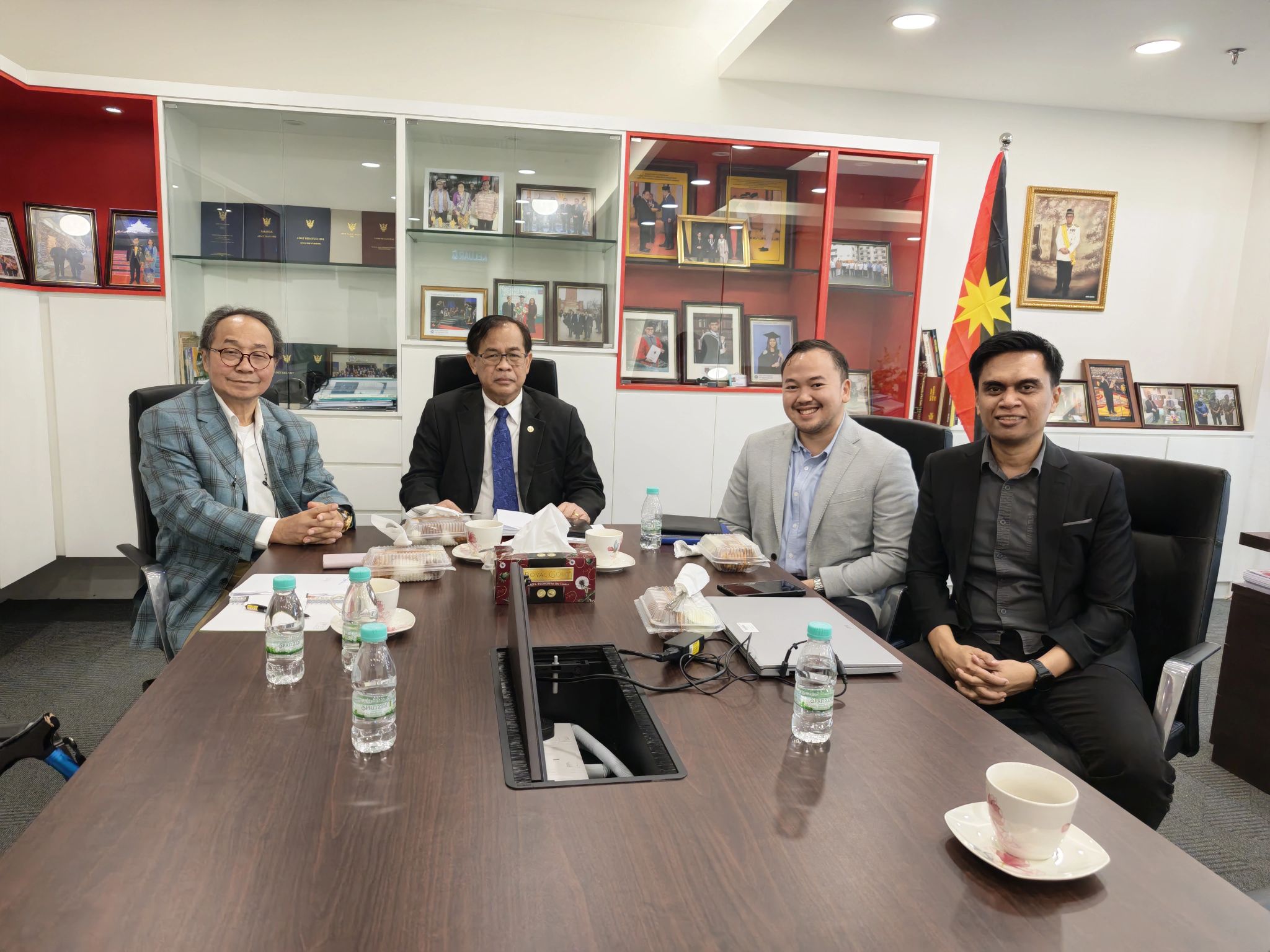
Blackstone AI partnered with the Premier's Department of Sarawak to develop a groundbreaking solution: a specialized "Lawyer AI Agent" trained extensively on Sarawak's Native Courts Ordinance, Rules, and the diverse customary laws of the Iban, Bidayuh, Orang Ulu, and other indigenous groups. This AI agent serves as an intelligent legal assistant for magistrates, community leaders (Ketua Masyarakat), and legal practitioners, drastically reducing case resolution times and ensuring consistent application of customary justice.
The Challenge: A System Under Pressure
The Sarawak Native Courts system is unique, operating parallel to the civil courts but focusing exclusively on matters of native custom, including land disputes (Native Customary Rights or NCR land), inheritance, marriage, and community offenses. The challenges were multifaceted and deeply rooted in the system's historical structure.
1. The Complexity of Unwritten Adat
Sarawak is home to over 40 sub-ethnic groups, each with its own distinct customary laws. Much of this Adat is passed down orally, making it difficult for magistrates to reference precedents or ensure consistency across different districts. The lack of a centralized, easily searchable database of customary law led to prolonged hearings and inconsistent rulings.
2. The Mounting Case Backlog
Due to the complexity of cases—particularly those involving NCR land disputes which require extensive historical and genealogical research—the Native Courts faced a severe backlog. Some cases remained unresolved for years, causing frustration within the communities and undermining trust in the institution.
3. Resource Constraints
There was a critical shortage of personnel with deep expertise in both modern legal frameworks and traditional Adat. Training new magistrates and court officials in the nuances of diverse customary laws was a time-consuming and resource-intensive process.
📊 Case Backlog Distribution Before AI Implementation
The Solution: The Native Court Lawyer AI Agent
Blackstone AI proposed a comprehensive, AI-driven approach to address these systemic issues. The goal was not to replace human judgment—which is essential in customary law—but to augment the capabilities of court officials with an intelligent, highly specialized legal assistant.
| Phase | Action Taken | Technological Implementation |
|---|---|---|
| 1. Knowledge Ingestion | Digitizing and structuring decades of Native Court rulings, the Native Courts Ordinance 1992, and documented Adat from various ethnic groups. | Implementation of a Retrieval-Augmented Generation (RAG) architecture with a specialized vector database for legal texts. |
| 2. Model Fine-Tuning | Training the AI to understand the specific legal terminology, cultural nuances, and procedural rules of the Sarawak Native Courts. | Fine-tuning Large Language Models (LLMs) on bilingual datasets (English and Bahasa Malaysia) with specific legal prompting. |
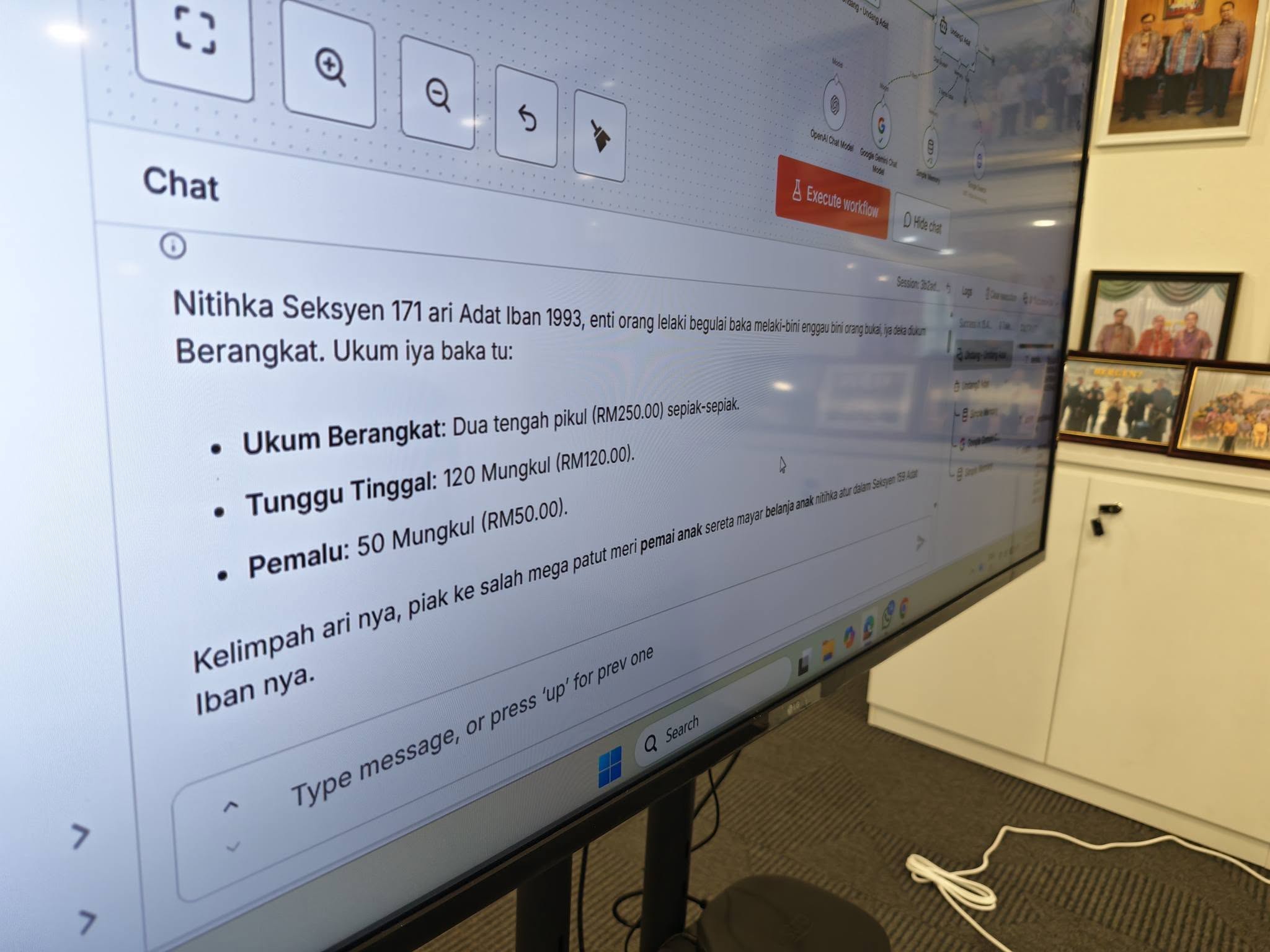
| 3. Agent Development | Creating an interactive, conversational interface for magistrates and court officials to query the AI. | Development of a secure, role-based web portal with conversational memory and citation tracking. |
| 4. Deployment & Training | Rolling out the system to pilot districts and conducting comprehensive training for court personnel. | On-site workshops, creation of user manuals, and establishment of a continuous feedback loop for AI improvement. |
Core Capabilities of the AI Agent
The developed Lawyer AI Agent possesses several critical capabilities designed specifically for the Native Courts environment:
- Precedent Retrieval: Instantly searches thousands of past rulings to find relevant precedents for complex NCR land disputes or inheritance cases.
- Adat Cross-Referencing: Compares and contrasts customary laws across different ethnic groups to assist in inter-ethnic disputes.
- Drafting Assistance: Generates initial drafts of court summons, hearing notices, and even preliminary ruling structures based on the magistrate's inputs.
- Genealogical Analysis: Assists in mapping complex family trees, which is crucial for resolving inheritance and land claims under customary law.
⚙️ AI Agent Usage by Task Category
The Results: Transforming Indigenous Justice
The implementation of the Lawyer AI Agent by Blackstone AI yielded transformative results for the Premier's Department of Sarawak Native Courts, fundamentally changing how customary justice is administered.
Dramatic Reduction in Case Resolution Time
The most immediate impact was the acceleration of case processing. Tasks that previously took weeks of manual research—such as finding relevant precedents in undocumented Adat—are now completed in seconds. The average time to resolve a standard inheritance case dropped from 8 months to just 2.5 months.
Enhanced Consistency and Fairness
By providing magistrates with instant access to a comprehensive database of customary law and past rulings, the AI agent has significantly improved the consistency of judgments. This has led to a higher degree of perceived fairness among the indigenous communities and a reduction in the number of appeals.
Empowering Community Leaders
The system was also made accessible (with appropriate permission levels) to Ketua Masyarakat (community leaders) who often serve as the first point of dispute resolution. The AI agent provides them with accurate legal guidance, enabling them to resolve minor disputes at the village level before they escalate to the formal Native Courts.
📈 Impact on Case Resolution Times (Months)
Conclusion: A Model for the Future
The collaboration between Blackstone AI and the Premier's Department of Sarawak demonstrates the profound potential of artificial intelligence in the legal sector, particularly in specialized and culturally sensitive areas like indigenous customary law. By building a bespoke Lawyer AI Agent, Blackstone AI not only solved the immediate problem of case backlogs but also helped preserve and digitize the invaluable cultural heritage of Sarawak's indigenous peoples.
This project serves as a pioneering model for how modern technology can be harmoniously integrated with traditional justice systems, ensuring that customary laws remain relevant, accessible, and efficiently administered in the 21st century.