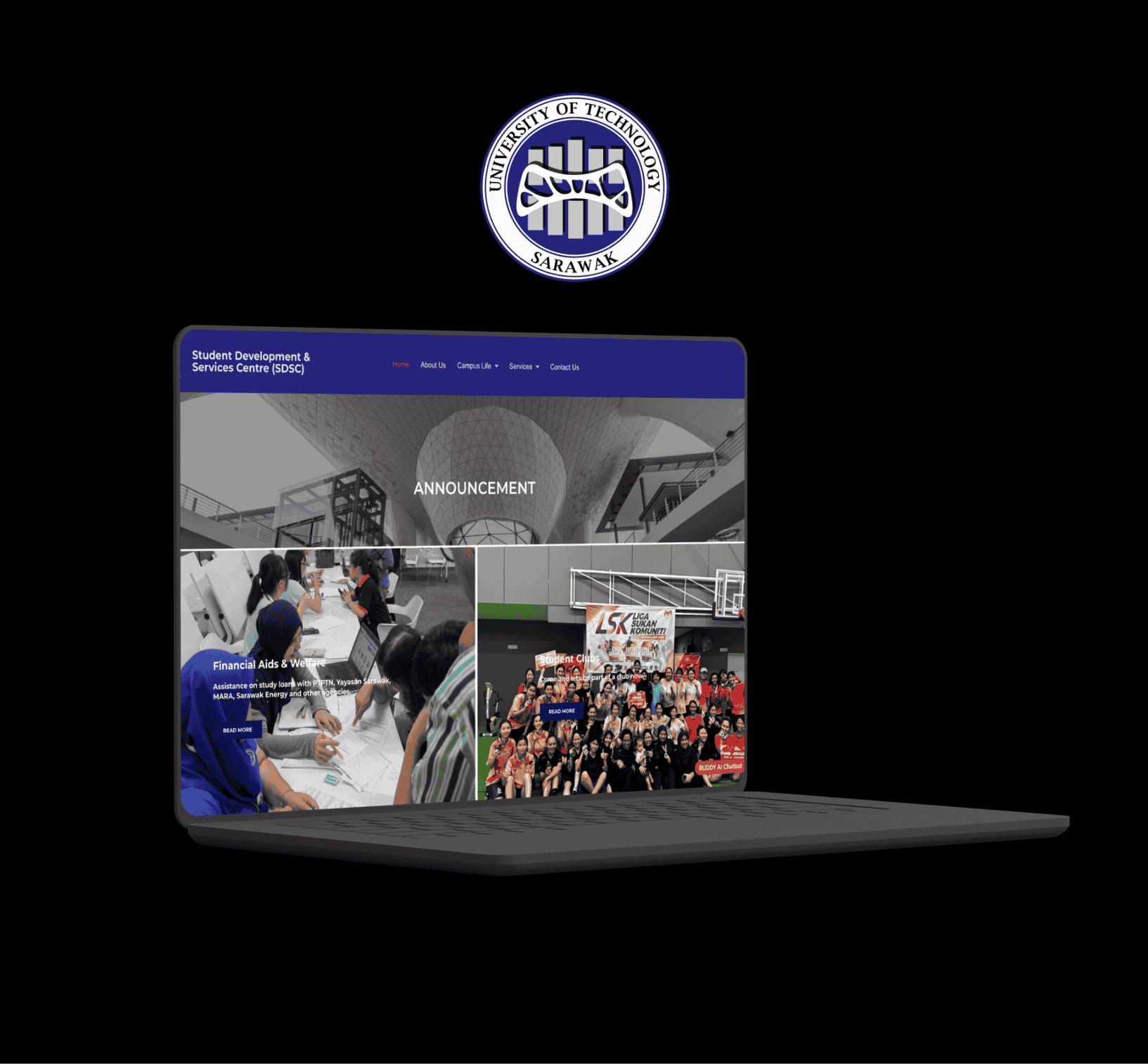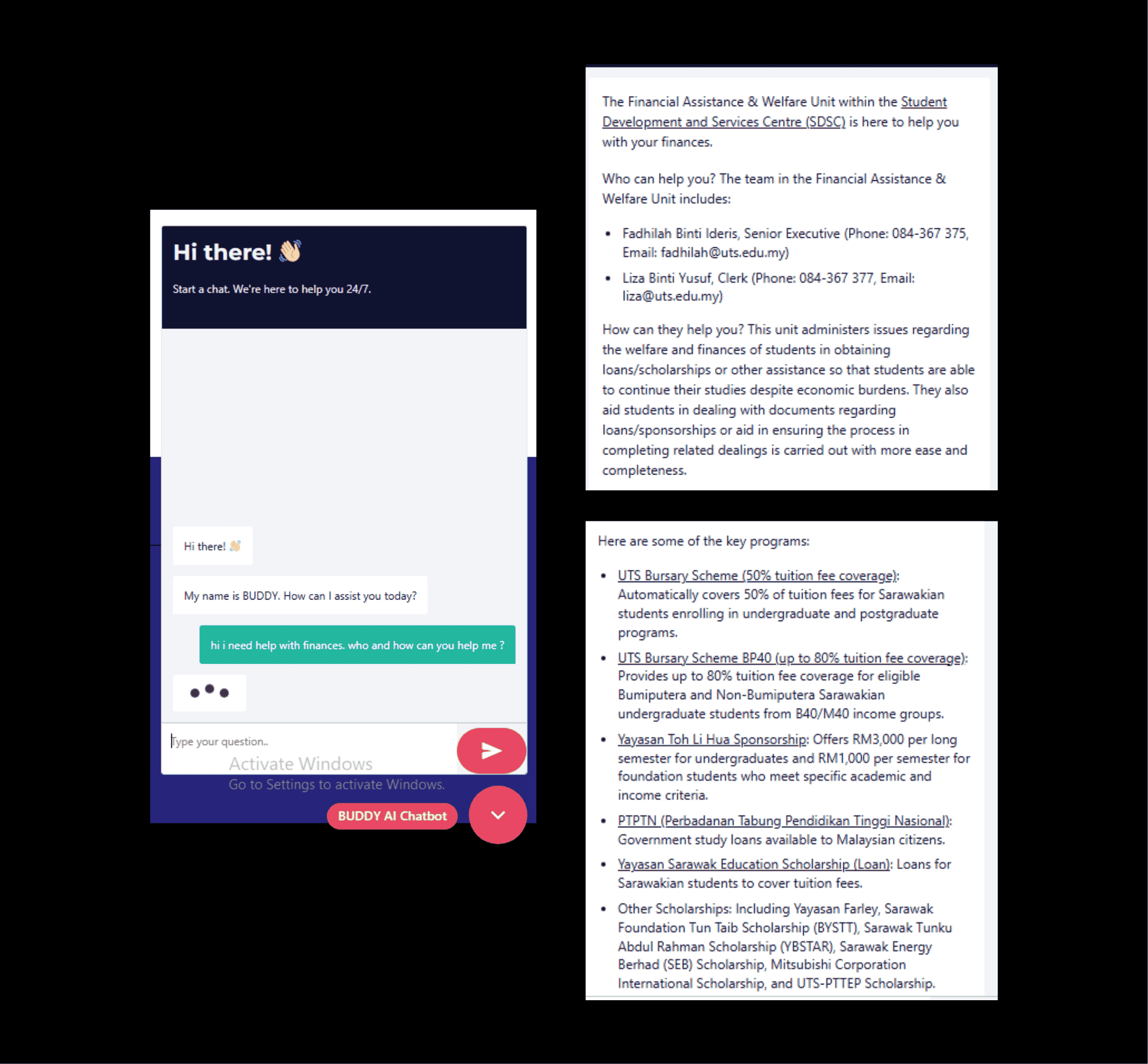
A university service centre operates in a high-expectation environment. Students want quick answers, parents need reassurance, staff manage repeated enquiries, and management needs a clearer view of what people are asking before issues become operational bottlenecks. In this context, digital support is not simply a convenience. It becomes part of how the institution presents itself, manages workload, and protects the student experience.
This case study is useful for Malaysian business owners and marketing teams because it reflects a challenge many organisations recognise: enquiries are increasing, attention spans are short, and service teams are expected to respond faster without losing accuracy or professionalism. Whether the organisation is in education, healthcare, property, retail, or professional services, the core issue is often the same. Customers and stakeholders need simple access to information, while internal teams need a practical way to handle common questions at scale.
The sdsc univeristy technology sarawak account matters because it shows how a focused digital solution can support a service function that deals with real people, real concerns, and time-sensitive questions. A student development services centre is not only an administrative touchpoint. It is often where students seek guidance, clarification, direction, and support. If the communication flow is unclear, users may become frustrated, staff may be interrupted repeatedly, and important enquiries may be delayed.
For a practical case-study reader, the main lesson is not to treat automation as a replacement for human service. The better approach is to identify where digital assistance can reduce friction: answering routine questions, directing users to the right channel, standardising first-level responses, and helping staff focus on matters that require judgement, empathy, or escalation.
This section sets the commercial context for the work. A well-planned chat agent or digital enquiry system should be built around actual user needs, not technology for its own sake. It should reflect the organisation's tone, service priorities, and operational limits. It should also be clear enough for users to understand what it can help with and when they should move to a human contact.
For Malaysian organisations reviewing this case study, the takeaway is straightforward: effective digital support begins with clarity. Know the audience. Map the common questions. Decide what should be automated and what should remain human-led. Then build a solution that makes the service experience faster, cleaner, and easier to manage.
The Commercial Challenge
For a student-facing service centre, digital communication is not only about being seen. It is about being understood quickly, trusted by the right audiences, and supported internally by the people responsible for student engagement. In the case of sdsc univeristy technology sarawak, the challenge would naturally sit at the intersection of visibility, clarity, and response speed.
Making Support Visible to the Right Students
Student services can offer meaningful support, but that value is easily missed if students do not clearly see what is available, when to use it, and how to take the next step. A service centre may need to communicate across different student needs, including wellbeing, development, activities, guidance, and general enquiries.
The commercial pressure is not the same as selling a product, but the marketing challenge is still real: the message must reach a defined audience and encourage action. If students are unaware of the services, or if the content feels too formal, unclear, or scattered across channels, engagement can suffer.
Building Trust Before Students Reach Out
For many student support functions, trust is essential. Students may hesitate to ask questions if they are unsure whether the channel is official, responsive, or relevant to their situation. This makes tone, consistency, and presentation important.
A clear digital presence helps reduce doubt. It allows the centre to present itself as approachable while still maintaining credibility. For marketing teams, this requires a balance between institutional professionalism and student-friendly communication.
Reducing Friction in Enquiries
Speed matters when students are looking for answers. If the pathway to information is slow or confusing, simple enquiries can become repeated messages, missed opportunities, or avoidable frustration. The challenge is often not only to promote services, but to help users find the correct information with less effort.
This is where campaign structure, content planning, and channel management become important. A strong social media agency approach can help organise messages so audiences understand what is being offered and how to respond.
Aligning Stakeholders Around One Message
Student service communications often involve multiple internal stakeholders. Each may have different priorities, timelines, and expectations. Without alignment, campaigns can become fragmented, with too many messages competing for attention.
The challenge is to create a practical communication framework: what needs to be said, who it is for, which channel should carry it, and what action the audience should take. Clear campaign direction helps ensure that visibility, trust, and responsiveness work together instead of operating as separate efforts.
What Needed To Be Systemised
For a student-facing support function, the issue is rarely just "more content" or "faster replies". The real requirement is a working system: clear information, consistent messaging, reliable channels, and a way for management to see what students are asking before those questions become operational pressure.
For the sdsc univeristy technology sarawak project, the work had to be organised around several connected layers.
1. Audit Of Existing Student Touchpoints
The first step was to identify where students were already looking for answers and where confusion could occur. This included reviewing available information, common enquiry themes, duplicated messages, unclear instructions, and gaps between what students needed and what was easy to find.
The audit also helped separate urgent, service-related questions from general awareness content. That distinction matters because not every enquiry should be handled in the same way. Some require a direct response, while others can be reduced through better pre-planned communication.
2. Message Architecture
Once the key enquiry areas were identified, the messaging needed structure. This meant defining the core information students should receive, the order in which it should be presented, and the tone suitable for a university support environment.
A good message system is not just a list of answers. It must help students understand what action to take next, what documents or details are required, and which channel to use if further support is needed. This reduces ambiguity for students and improves consistency for the team managing responses.
3. Content Planning
Content planning turned recurring questions into usable communication assets. Instead of responding from scratch each time, key topics could be prepared in formats suitable for announcements, FAQs, chatbot prompts, social posts, or internal reference notes.
This also made it easier to keep information current. When content is planned properly, updates can be made at the source and reflected across relevant channels, rather than relying on scattered manual corrections.
4. Channel Operations
The system also needed clear rules for how each channel should operate. This included deciding which enquiries could be handled through automated guidance, which should be escalated, and how staff should manage follow-up.
Channel operations are important because students may contact the centre through different entry points. Without a defined process, responses can become inconsistent, delayed, or dependent on individual staff knowledge.
5. Decision Reporting
Finally, the enquiry data needed to support better decisions. Reporting should show what students ask most often, which topics create confusion, where service demand is increasing, and what content may need improvement.
For business owners and marketing teams, this is the key lesson: a communication system should not only reply to users. It should help the organisation learn, prioritise, and improve.
Strategy Behind The Execution
A student support chatbot is not only a technical build. It is a service experience that has to reflect how students ask questions, how staff manage enquiries, and how the institution presents itself across digital channels. For the sdsc univeristy technology sarawak case, the execution strategy had to consider both operational usefulness and communication clarity.
Designing Around Real User Intent
The starting point was to understand the types of questions students are likely to ask when they need help. These are often practical, time-sensitive, and sometimes repetitive: where to find support, who to contact, what steps to follow, or how to access a particular service. A strong execution plan therefore focuses on simplifying the pathway from question to answer.
This is similar to the way a social media agency approaches community management. The goal is not to overload users with information, but to anticipate common enquiries and respond in a way that feels direct, consistent, and helpful. When the same service logic is applied to a chat agent, the experience becomes more structured and less dependent on manual follow-up for every basic question.
Aligning The Chat Experience With Digital Communication
For student-facing platforms, tone matters. The chatbot must be clear enough to guide users, but also approachable enough for students to engage with it. This balance is important in digital marketing as well, where message delivery affects trust, response rates, and brand perception.
The strategy behind the execution should therefore connect the chatbot's content, conversation flow, and escalation points with the wider communication style of the organisation. If students see one type of message on social media, another on the website, and a completely different tone inside the chatbot, the experience can feel fragmented. Consistency helps make the support journey more credible.
Building For Practical Adoption
A useful chatbot should support staff rather than complicate their work. That means organising information in a way that is easy to maintain, update, and improve over time. It also means recognising which enquiries can be automated and which should be redirected to a person or department.
For Malaysian business owners and marketing teams, this is the key lesson: digital tools work best when they are designed around service delivery, not just visibility. Whether the channel is a chatbot, website, search campaign, or social media page, the underlying strategy should help people find answers faster and take the next step with less friction.
In this case, the execution reflects a broader digital principle: good marketing is not only about attracting attention, but also about making every interaction more useful once that attention has been earned.
Campaign, Content, And Workflow Design
For a student-facing service environment, the campaign and content workflow must be built around clarity, speed, and accountability. The objective is not simply to publish more messages, but to ensure that students receive the right information, in the right tone, through the right channel, without creating unnecessary pressure on internal teams.
Practical Workflow Planning
A workable campaign structure starts with mapping the common student journeys. These may include enquiry handling, appointment guidance, service awareness, event promotion, counselling-related information, and follow-up communication. Each journey should have a clear owner, a defined purpose, and an agreed response pathway.
For the sdsc univeristy technology sarawak case study context, this means separating operational messages from promotional content. Urgent service updates, student support information, and administrative reminders should not compete with general awareness posts. A simple content calendar helps teams see what is planned, what is pending approval, and what needs to be updated before publication.
Approval Flow And Team Roles
To reduce friction, approvals should be kept structured but not overly complicated. A practical model may include:
- Content drafter for first-version copy
- Subject matter reviewer for accuracy
- Brand or communications reviewer for tone and formatting
- Final approver for publication clearance
This avoids the common problem of too many people editing the same message without clear responsibility. For sensitive topics, especially those related to student wellbeing, escalation rules should be set in advance. Teams need to know when a response can be handled through standard messaging and when it must be referred to a qualified staff member.
Content Standards That Keep Communication Consistent
Content should be direct, accessible, and appropriate for a student audience. Long explanations can often be converted into short FAQs, step-by-step instructions, or guided chatbot responses. The tone should be supportive without being casual to the point of losing professionalism.
Useful content standards include consistent naming of departments and services, clear calls to action, plain-language instructions, and approved response templates. These standards make it easier for staff to maintain quality even when handling high volumes of enquiries or time-sensitive updates.
Keeping Teams Moving With Less Friction
A strong workflow should reduce repeated work. Approved message banks, reusable campaign templates, and scheduled review cycles help teams avoid rewriting the same information every semester. When combined with digital marketing planning, these assets can support both daily communication and broader awareness campaigns.
The most effective setup is one that balances control with momentum: enough governance to protect accuracy and brand trust, but enough flexibility for teams to respond quickly when students need timely support.
Measurement And Review Rhythm
A case study should not be judged only by whether it looks polished on the website. For Malaysian businesses, the more important question is whether the story helps prospects move with greater confidence from awareness to enquiry. This is where a clear measurement and review rhythm matters.
For a project such as **sdsc univeristy technology sarawak**, progress should be reviewed through a mix of leading indicators, quality signals, operational consistency, and scheduled decision-making.
Track Leading Indicators Early
Leading indicators help the team understand whether the case study is gaining traction before sales outcomes appear. These may include search impressions, page visits, scroll depth, time on page, enquiry button clicks, and internal clicks to related service or contact pages.
Marketing teams should also review where visitors come from. Organic search, LinkedIn, email campaigns, partner referrals, and direct traffic can each indicate different levels of intent. If the case study receives traffic but visitors do not continue to the next step, the issue may be the call to action, page structure, or offer clarity.
Review Quality Signals, Not Just Volume
Traffic alone is not enough. A smaller number of well-matched visitors can be more valuable than a large number of unqualified readers. Quality signals may include enquiries that mention the case study, longer engagement from target industries, repeat visits from the same company, or prospects asking more specific questions during sales conversations.
Teams should also listen to sales feedback. If prospects understand the problem, solution, and relevance more quickly after reading the case study, that is a positive signal. If they remain confused, the content may need clearer positioning, stronger context, or a more direct explanation of the commercial value.
Maintain Operational Consistency
Case studies often lose performance because they are published once and then ignored. A practical review rhythm keeps the asset useful. Assign ownership for checking page accuracy, updating internal links, reviewing calls to action, and ensuring the content still reflects current business priorities.
This does not require constant rewriting. A quarterly review is often enough to identify whether the page still supports the intended audience, service focus, and sales conversation.
Run Focused Review Meetings
Review meetings should be short and action-oriented. The agenda can cover four questions: Are the right people finding the page? Are they engaging with it? Are they taking the next logical step? What should be improved before the next review?
By treating the case study as a commercial asset rather than a static portfolio item, businesses can make better decisions, improve marketing accountability, and build stronger alignment between content, sales, and customer needs.
Lessons For Malaysian Organisations
The key lesson from the sdsc univeristy technology sarawak project is that digital growth becomes more reliable when it is treated as an operating system, not a one-off marketing activity. For Malaysian organisations, especially teams balancing limited resources, internal approvals, and rising customer expectations, the priority is not to "do more digital". It is to make digital work more disciplined, measurable, and aligned with business outcomes.
Start With The Real User Journey
Many digital initiatives fail because they begin with tools instead of user behaviour. Before investing in automation, content, advertising, or web improvements, teams should map what users are trying to do, where they get stuck, and what information they need before taking action.
For a university, that may involve prospective students looking for programme details or support services. For a business, it may involve buyers comparing suppliers, checking credibility, or seeking pricing clarity. The principle is the same: digital channels should reduce friction, not add another layer of confusion.
Build Systems That Support Accountability
Digital growth should not depend on memory, ad hoc follow-ups, or individual staff members manually managing every enquiry. Malaysian organisations can improve consistency by creating clear workflows for lead handling, enquiry routing, response standards, content updates, and performance reviews.
This does not always require complex technology. Even a simple structure can make a difference when roles are defined properly. Who owns the website? Who reviews campaign performance? Who responds to enquiries? Who checks whether the message is still accurate? Without ownership, digital assets quickly become outdated or underused.
Measure Commercial Signals, Not Vanity Activity
Traffic, impressions, and social engagement can be useful indicators, but they are not enough. Business owners and marketing teams should connect digital activity to meaningful signals such as enquiry quality, conversion paths, repeat questions, sales readiness, and drop-off points.
This helps teams avoid spending time on activities that look busy but do not move the business forward. A disciplined review process also makes it easier to decide what to stop, what to improve, and where budget should be focused next.
Keep Technology Grounded In Business Purpose
Technology should make the organisation easier to deal with. Whether the solution involves a chatbot, CRM, website rebuild, campaign funnel, or analytics setup, the goal should be practical: faster access to information, better qualification, clearer reporting, and improved user experience.
For Malaysian organisations, the most valuable digital improvements are often not the most complex. They are the ones that help teams respond better, learn faster, and make commercial decisions with greater confidence.
What This Case Shows About Better Growth Systems
A useful digital improvement project is rarely about one tool, one campaign, or one launch. The more important lesson is how well the organisation can turn business objectives into repeatable marketing and communication workflows. For teams reviewing the sdsc univeristy technology sarawak case study, the value is not only in the visible output, but in the operating thinking behind it.
Start With the User Problem, Not the Platform
Many organisations begin by asking what software, website feature, or automation they should build. A stronger starting point is to define the real user problem: what information people need, where they get stuck, and what should happen after each interaction.
For education, service, and professional organisations, this matters because audiences often arrive with different levels of awareness. Some are ready to act. Others need guidance, reassurance, or clearer next steps. A better growth system recognises these differences and builds pathways that reduce confusion instead of adding more digital noise.
Good Systems Connect Marketing, Operations, and Follow-Up
A marketing asset becomes more valuable when it supports internal teams as well as external audiences. This includes clearer enquiry handling, better content structure, practical automation, and reporting that helps decision-makers see what is working.
For Malaysian business owners and marketing teams, this is an important agency selection point. The right partner should not only discuss design or traffic. They should ask how enquiries are managed, what information is needed by the team, how leads are qualified, and what can be improved after launch.
Improvement Should Be Built Into the Process
Digital systems should not be treated as finished once they go live. User behaviour changes, internal priorities shift, and new questions appear once real people begin interacting with the system. That is why reporting and refinement are part of the work, not an optional extra.
A practical growth system gives teams a way to review performance, identify friction, update content, and improve the user journey over time. This is especially useful for organisations that need consistency across departments, campaigns, or service areas.
What to Consider Before Your Next Project
Before appointing an agency or starting an internal build, clarify three things. First, what problem must the system solve for users? Second, what process must it improve for your team? Third, how will performance be reviewed after launch?
Projects become more commercially useful when strategy, production, automation, reporting, and improvement work together. That is the main takeaway: better growth does not come from isolated activity. It comes from building a system that helps people decide, act, and improve with confidence.